Don't Wait: Maximize Your Spring Garden with Early Planting
As winter’s chill slowly retreats, a common misconception often takes root in the minds of new gardeners: that you must patiently wait for the full warmth of summer to begin planting. However, this couldn't be further from the truth! Spring gardens are an absolute delight, bursting with possibilities long before the summer sun fully establishes itself. By embracing early planting strategies, you can significantly extend your harvesting season, savoring fresh, homegrown produce weeks ahead of schedule. Imagine enjoying crisp salads and sweet peas straight from your backyard, a refreshing antidote to months without fresh, homegrown vegetables. This proactive approach not only fills your plate sooner but also brings immense satisfaction as your garden awakens with the earliest signs of the growing season. If you're eager to truly maximize your garden's potential, getting a head start on
unlocking early harvests of top spring vegetables is key.
The Essential Foundation: Planning Your Spring Garden Success
Before a single seed touches the soil, the secret to a thriving early spring garden lies in meticulous planning. This isn't just about dreaming of bountiful harvests; it’s about understanding your specific gardening environment.
*
Know Your Zone and Frost Dates: Your USDA Plant Hardiness Zone and average last frost date are your initial roadmap. These critical pieces of information dictate the earliest safe window for planting. While zones tell you what plants can generally survive your winters, the last frost date is the historical marker for when the risk of a killing frost typically passes. Planting too early without proper protection can lead to disaster, but waiting too long means missing out on prime growing time for cool-season crops.
*
Monitor Soil Temperature: While calendars offer a general guide, a soil thermometer provides far more accurate insights. Different seeds germinate best within specific temperature ranges. For instance, many cold-hardy vegetables prefer soil temperatures to be consistently above 40-45°F (4-7°C). Even if the air feels warm, cold soil can prevent germination or lead to stunted growth. Investing in an inexpensive soil thermometer will give you the precise data needed for optimal timing.
*
Cultivate Healthy Soil: Regardless of when you plant, healthy, well-drained soil rich in organic matter is the bedrock of any successful garden. Early spring is an ideal time to amend your garden beds with compost, aged manure, or other organic materials. This improves soil structure, aeration, and nutrient availability, setting the stage for robust plant growth. Good drainage is particularly crucial in early spring when heavy rains can lead to waterlogged conditions detrimental to young roots.
By taking the time for thorough planning, you’re not just preparing a garden; you're cultivating the conditions for success, ensuring your efforts yield the freshest possible results.
Cold-Hardy Champions: Vegetables That Thrive in Early Spring
Certain vegetables are not only tolerant of cooler temperatures but actively prefer them. These are your go-to crops for getting a jump start on the season.
*
Peas: The Sweet Reward of Early Planting
Peas are arguably one of the most beloved early spring crops, and for good reason. They are surprisingly easy to grow, incredibly tasty, and provide a substantial yield that can save you money at the grocery store. Varieties like snap peas, snow peas, and shelling peas all flourish in the cool weather. My personal favorites are snap peas, which often don't even make it inside the house; they're too tempting to snack on straight from the vine!
The key to a successful pea harvest is planting them early. Peas absolutely detest heat, and if temperatures soar before they've had a chance to mature, production can dwindle or cease entirely. Aim to plant your pea seeds about 4-6 weeks before your average last frost date, or even earlier if you’re experiencing a mild spring and your soil temperatures are amenable.
Remember, peas are climbers. They need support to thrive, so plan for a trellis, netting, or stakes right from the start. Once your pea shoots reach about 4-6 inches tall, gently guide their tendrils onto the support structure. This "training" encourages them to climb efficiently, maximizing air circulation and sunlight exposure, leading to healthier plants and more abundant harvests.
*
Radishes: The Speedy Satisfaction
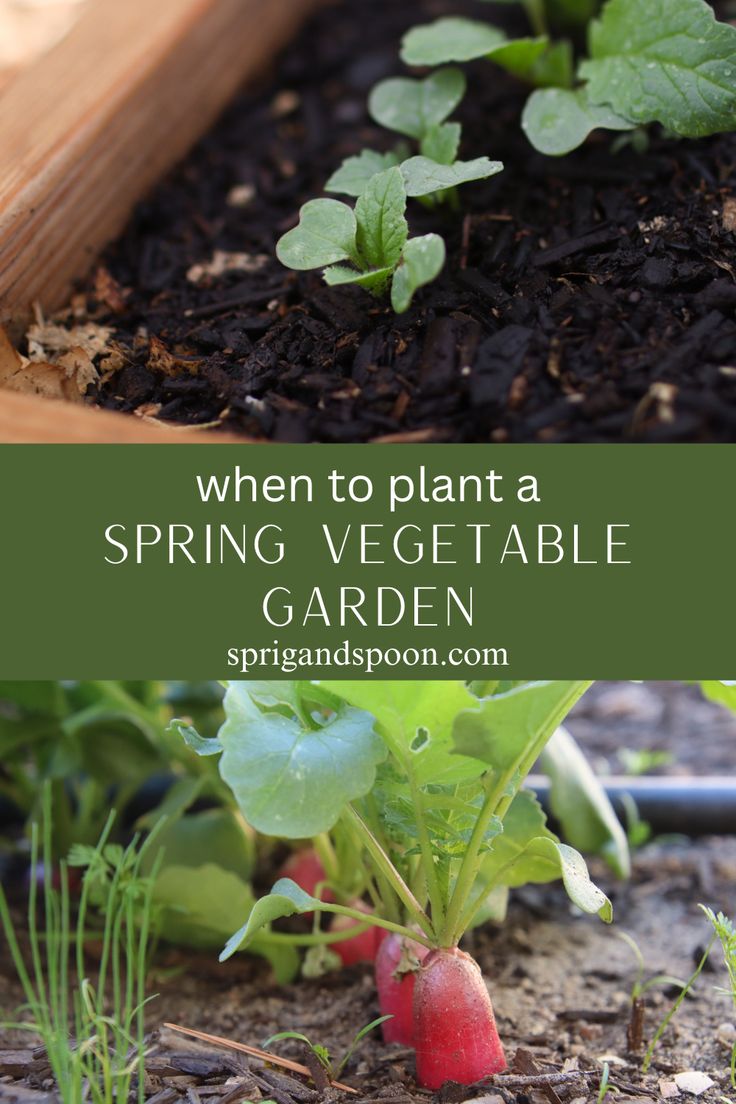
For immediate gratification in the garden, radishes are unbeatable. These vibrant root vegetables are remarkably frost-hardy and mature at an astonishing pace, often ready for harvest in as little as 30 days! This makes them an excellent choice for new gardeners, offering quick success and encouraging continued gardening efforts.
Like peas, radishes can be planted about 6 weeks before your average last frost date. To ensure a continuous supply of these peppery delights, employ successive sowing. This means planting a small batch of seeds every 1-2 weeks. By the time your first planting is harvested, the next batch will be sizing up, providing a steady stream of fresh radishes throughout the spring. When sowing, ensure you thin your seedlings properly to give each radish ample space to develop a good-sized root.
Beyond the Basics: Expanding Your Early Spring Bounty
While peas and radishes are fantastic starting points, the list of vegetables that can be planted in early spring extends far beyond these two. A diverse early garden ensures a steady supply of fresh ingredients and allows you to enjoy a wide array of flavors.
*
Leafy Greens: The Cut-and-Come-Again Wonders
Spinach, lettuce (especially romaine and butterhead varieties), kale, and Swiss chard are all superb choices for early spring. They tolerate cooler temperatures and often perform best before the intense heat of summer causes them to bolt (go to seed). Many of these greens are "cut-and-come-again," meaning you can harvest the outer leaves repeatedly, allowing the plant to continue producing for weeks. Plant them directly in the ground as soon as the soil can be worked.
*
Root Vegetables: Earth's Sweet Treasures
Carrots, beets, and turnips are another group of cool-season favorites. Direct sow these seeds once the soil is workable and consistently above 45°F (7°C). Thinning is particularly important for root crops; overcrowding will lead to small, misshapen vegetables. The sweetness of homegrown carrots and beets, harvested fresh from your spring garden, is unparalleled.
*
Aromatic Herbs: Freshness for Your Cuisine
Don't forget herbs! Cilantro, parsley, and dill thrive in cooler weather and add fresh flavor to countless dishes. Cilantro, in particular, is notorious for bolting in heat, so getting it in the ground early allows for a prolonged harvest of its aromatic leaves before summer encourages it to produce seeds.
When you've carefully planned and executed, you'll find
all the spring vegetables are planted, ready to burst forth with vitality. This thoughtful diversification not only ensures a varied menu but also sets the stage for preserving your early harvests through freezing, dehydrating, or fermenting, building up your pantry for the colder months ahead.
Nurturing Your Early Harvest: Tips for Success
Getting seeds in the ground early is only half the battle. To truly maximize your spring garden, consistent care is paramount.
*
Consistent Moisture: While soil temperatures are cooler, spring can still bring dry spells. Ensure consistent moisture, especially for germinating seeds and young seedlings. Water deeply but avoid overwatering, as cool, waterlogged soil can lead to rot.
*
Frost Protection: Early spring can be unpredictable. Keep an eye on the weather forecast and be prepared to protect young plants from unexpected late frosts. Row covers, cloches made from repurposed plastic containers, or even old sheets can provide crucial insulation during a sudden temperature drop.
*
Thinning is Key: Many seeds are sown more densely than necessary to account for germination rates. Once seedlings emerge, thinning them to the recommended spacing is crucial for healthy development. Overcrowding leads to competition for nutrients, water, and sunlight, resulting in smaller, weaker plants.
*
Monitor for Pests: Even early in the season, pests can emerge. Regularly inspect your plants for any signs of trouble. Early detection allows for targeted, often organic, interventions before problems escalate.
*
Fertilization: With healthy soil, minimal fertilization might be needed for many early spring crops. If your soil analysis indicates deficiencies or if plants show signs of nutrient stress, opt for a balanced organic fertilizer.
Don't Just Plant – Plant Early and Prosper!
The satisfaction of a thriving spring garden, where all the spring vegetables are planted and flourishing weeks before others even begin, is immeasurable. By shedding the misconception of waiting for summer, embracing careful planning, understanding your specific climate, and selecting the right cold-hardy crops, you unlock a longer, more bountiful growing season. From the sweet crunch of homegrown peas to the peppery bite of a fresh radish, your early spring efforts will reward you with an abundance of fresh, nutritious produce. So, don't wait! Grab your tools, check your soil thermometer, and get ready to transform your garden into a vibrant haven of early spring goodness. The joy of the first harvest is a feeling every gardener deserves to experience as soon as possible.