Grow Early: The Ultimate Guide to Planting Spring Vegetables
The garden sleeps through winter, but as soon as the first whispers of spring arrive, a gardener's heart awakens with renewed purpose. Many new gardeners mistakenly believe they must wait until the warmth of summer to begin planting. This couldn't be further from the truth! Spring offers a glorious opportunity to cultivate a wide array of delicious crops long before the scorching summer sun takes hold, ensuring that all the spring vegetables are planted for an early, bountiful harvest.
Imagine enjoying crisp, homegrown salads, sweet peas straight from the vine, and tender radishes just weeks after the last frost. Planting early spring vegetables is a truly delightful experience, filling the void left by a long winter without fresh, homegrown produce. It's about seizing the season, maximizing your growing potential, and enjoying fresh flavors sooner.
Why Early Spring Planting is a Game Changer for Your Garden
Starting your garden in early spring comes with a host of advantages that seasoned gardeners swear by. Firstly, many cool-season crops thrive in the milder temperatures and moist soil of spring, producing superior flavor and yield before the summer heat causes them to bolt or become bitter. Secondly, an early start means you get to enjoy fresh produce for a longer period, potentially allowing for multiple successions of certain crops. Finally, there's the sheer joy of seeing life emerge from the soil after winter's dormancy, offering a tangible connection to nature and a sense of accomplishment.
Beyond personal satisfaction, early planting allows you to beat the rush of common summer pests and diseases that often become more prevalent as temperatures rise. By the time the weather heats up, your early spring crops will likely be well on their way to harvest or already picked, giving you a head start.
Laying the Groundwork: Essential Pre-Planting Steps
A successful spring garden doesn't happen by accident; it's the result of thoughtful planning and preparation. Before you even think about putting seeds in the ground, a few crucial steps will set you up for success:
Know Your Zone & Last Frost Date
- Hardiness Zone: Your USDA hardiness zone (or equivalent regional zone) dictates which plants can survive winter in your area. While spring planting focuses on annuals or cool-season perennials, understanding your zone helps with overall garden planning.
- Last Frost Date: This is arguably the most critical piece of information for spring gardeners. It's the average date of the last killing frost in your region. Most cool-season crops can tolerate light frost, but understanding this benchmark helps you schedule your plantings safely. Local extension offices or online resources can provide this data for your specific location.
Soil Health is Key
Your soil is the foundation of your garden. For early spring vegetables to flourish, they need healthy, well-drained soil rich in organic matter. Winter can compact soil, so gently loosen it without overworking, especially if it's still wet. Incorporate compost or well-rotted manure to improve structure, fertility, and drainage. A soil test can reveal any nutrient deficiencies, allowing you to amend the soil precisely.
The Thermometer Advantage: Beyond the Calendar
While last frost dates and calendar schedules are helpful guides, a soil thermometer provides the most accurate indicator for planting. Different seeds germinate best at specific soil temperatures. For example, peas can germinate in soil as cool as 40°F (4°C), while corn prefers much warmer soil around 60°F (15°C). Monitoring your soil temperature will give you more accurate results than simply following a calendar date, helping you plant at the optimal time for germination and growth.
Plan Your Garden Layout & Seed Purchases
Before you get your hands dirty, take some time to plan. Consider the layout of your garden, ensuring proper spacing and sunlight exposure for each crop. Purchase high-quality seeds from reputable suppliers and always check the back of your seed packets for specific planting depths, spacing, and maturity dates. This planning phase is crucial for ensuring that all the spring vegetables are planted efficiently and effectively. For more detailed guidance, you can Unlock Early Harvests: Top Spring Vegetables to Plant Now with thorough planning.
A Bounty of Cold-Hardy Delights: What to Plant Now
The beauty of spring gardening is the incredible variety of vegetables that thrive in cooler conditions. Here's a look at some star performers perfect for your early spring garden:
Peas: The Sweet Rewards
Peas are a quintessential spring vegetable and a personal favorite for many. They are easy to grow, incredibly tasty, and a significant money-saver when grown at home. You can choose from snap peas (my personal favorite, often eaten straight from the vine!), snow peas, or shelling peas. Peas absolutely despise heat, so planting them early in the spring is essential to ensure a good harvest before summer temperatures arrive. Aim to plant them about 6 weeks before your average last frost date, or even earlier if you're experiencing a warm spring.
Most pea varieties are climbing plants and will require a trellis or support system to grow up. Plan for this by installing stakes with twine, a cattle panel, or a premade trellis. Once the pea shoots reach 4-6 inches tall, gently "train" them onto the trellis by twisting their tendrils around the support, encouraging them to climb.
Radishes: The Speedy Satisfiers
If instant gratification is what you're after, radishes are your crop! They are incredibly frost-hardy and grow at an astonishing rate, often ready for harvest in as little as 30 days. This makes them a fantastic choice for new gardeners, providing a quick win and building confidence. Like peas, radishes can be planted about 6 weeks before your last frost date. To ensure a continuous supply of these spicy roots, practice successive sowings: plant a small batch of seeds every 1-2 weeks until the weather gets too warm.
Leafy Greens: Spring's First Feast
Many leafy greens are true cool-season champions, perfect for early spring planting. They often thrive in the cooler temperatures and can even tolerate a light frost. Consider:
- Lettuce: A diverse group including loose-leaf, romaine, and butterhead varieties. Many can be "cut-and-come-again," providing multiple harvests.
- Spinach: Nutrient-rich and quick-growing, spinach prefers cool weather and can bolt (go to seed) quickly once temperatures rise.
- Kale: Hardy and incredibly nutritious, kale can withstand quite cold temperatures and actually tastes sweeter after a light frost.
- Swiss Chard: Beautiful and versatile, chard offers colorful stems and robust leaves, tolerating both cool and moderately warm conditions.
Root Vegetables: Underground Treasures
Beyond radishes, several other root vegetables thrive when planted in early spring, establishing themselves before the ground becomes too hard or hot:
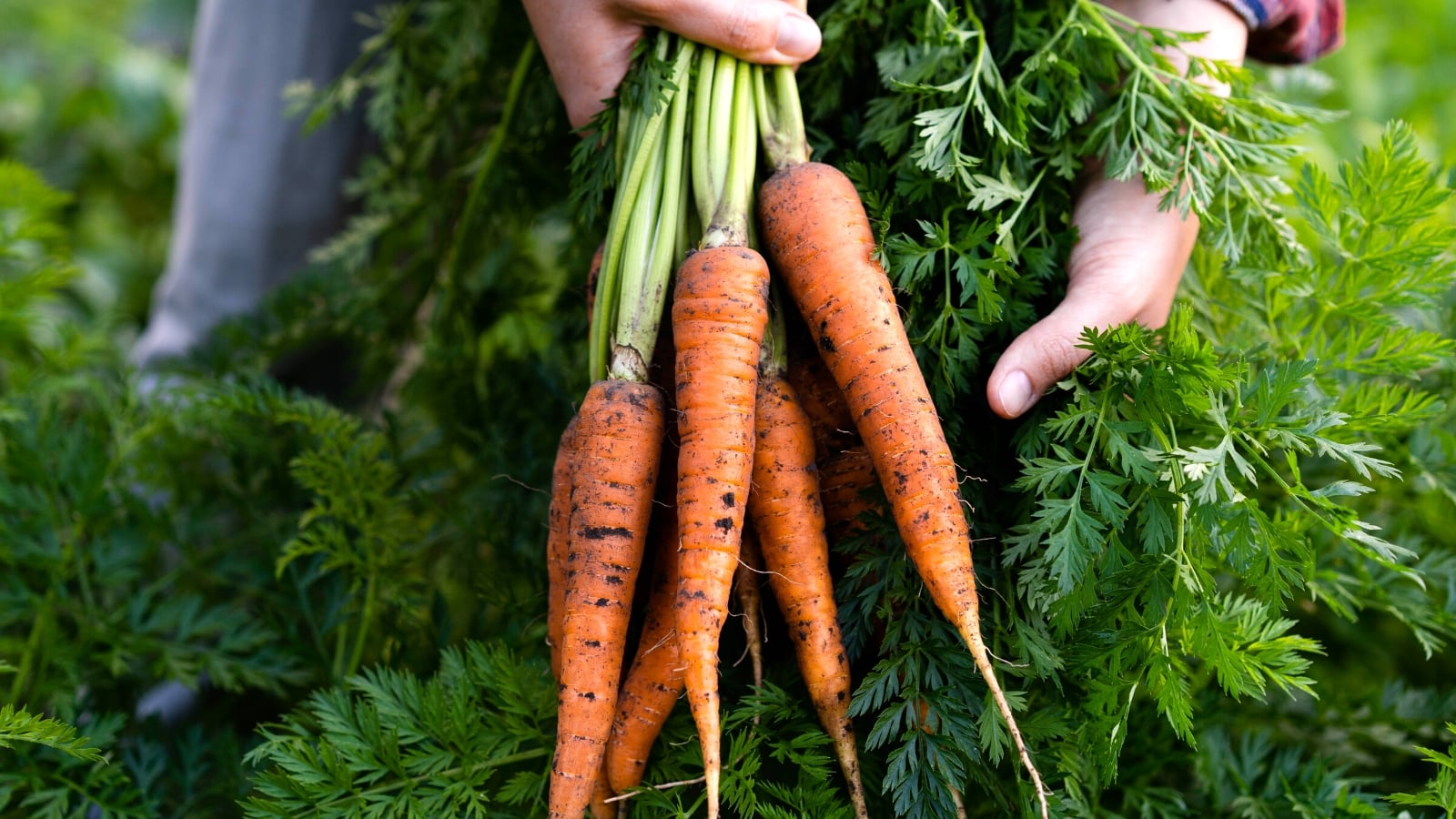
- Carrots: Sweet and crunchy, carrots need loose, stone-free soil to develop straight roots. Plant seeds directly in the garden.
- Beets: You can harvest both the nutritious greens and the sweet roots. Beets are fairly tolerant of cool temperatures.
- Turnips: Fast-growing and versatile, turnips can be harvested for their greens and their roots.
Brassicas: Hardy & Hearty
This family of vegetables includes some very robust cool-season crops:
- Broccoli: Often started indoors and transplanted out, broccoli heads develop best in cool weather.
- Cabbage: A heavy feeder, cabbage needs rich soil and consistent moisture to form dense heads.
- Kohlrabi: An unusual but delicious swollen stem vegetable, kohlrabi is quick-growing and adds a unique flavor to spring meals.
Other Early Birds to Consider
- Onions: Planted from sets or seeds, onions require a long growing season and benefit from an early start.
- Potatoes: Plant certified seed potatoes as soon as the soil can be worked.
- Asparagus: A perennial vegetable, asparagus is typically planted from crowns in early spring for future harvests over many years.
- Herbs: Cool-season herbs like cilantro, parsley, and chives can also be planted early.
By thoughtfully planning and planting these varieties, you can ensure that all the spring vegetables are planted for a diverse and rewarding harvest. For more specific planting strategies and tips on maximizing your yield, don't forget to check out our guide on Don't Wait: Maximize Your Spring Garden with Early Planting.
Nurturing Your Spring Garden: Tips for Success
Once your seeds are in the ground, a few ongoing practices will help your spring garden thrive:
- Succession Planting: As with radishes, consider staggering plantings of other quick-growing crops like lettuce and spinach every 2-3 weeks. This ensures a continuous harvest rather than one massive flush.
- Protection from the Elements: Early spring can still bring unpredictable weather. Have row covers, cloches, or even old sheets on hand to protect tender seedlings from unexpected late frosts, strong winds, or heavy rains. These also help warm the soil slightly.
- Watering Wisely: While spring often brings rain, keep an eye on soil moisture, especially for newly germinated seeds and young plants. Cooler temperatures mean less evaporation, so overwatering can be an issue. Aim for consistently moist, but not soggy, soil.
- Pest & Disease Watch: Even early in the season, pests like slugs, snails, and aphids can emerge. Regularly inspect your plants and address any issues promptly with organic solutions where possible.
Conclusion
Embracing early spring planting opens up a world of fresh, homegrown possibilities, allowing you to enjoy the fruits (and vegetables!) of your labor long before the summer heat arrives. By understanding your hardiness zone, monitoring soil temperatures, preparing your soil, and choosing the right cool-season crops, you can cultivate a vibrant and productive garden. Don't fall for the misconception that you have to wait until summer; instead, seize the opportunity to get ahead, ensure that all the spring vegetables are planted with purpose, and savor the incredible flavors of an early harvest. Happy gardening!
