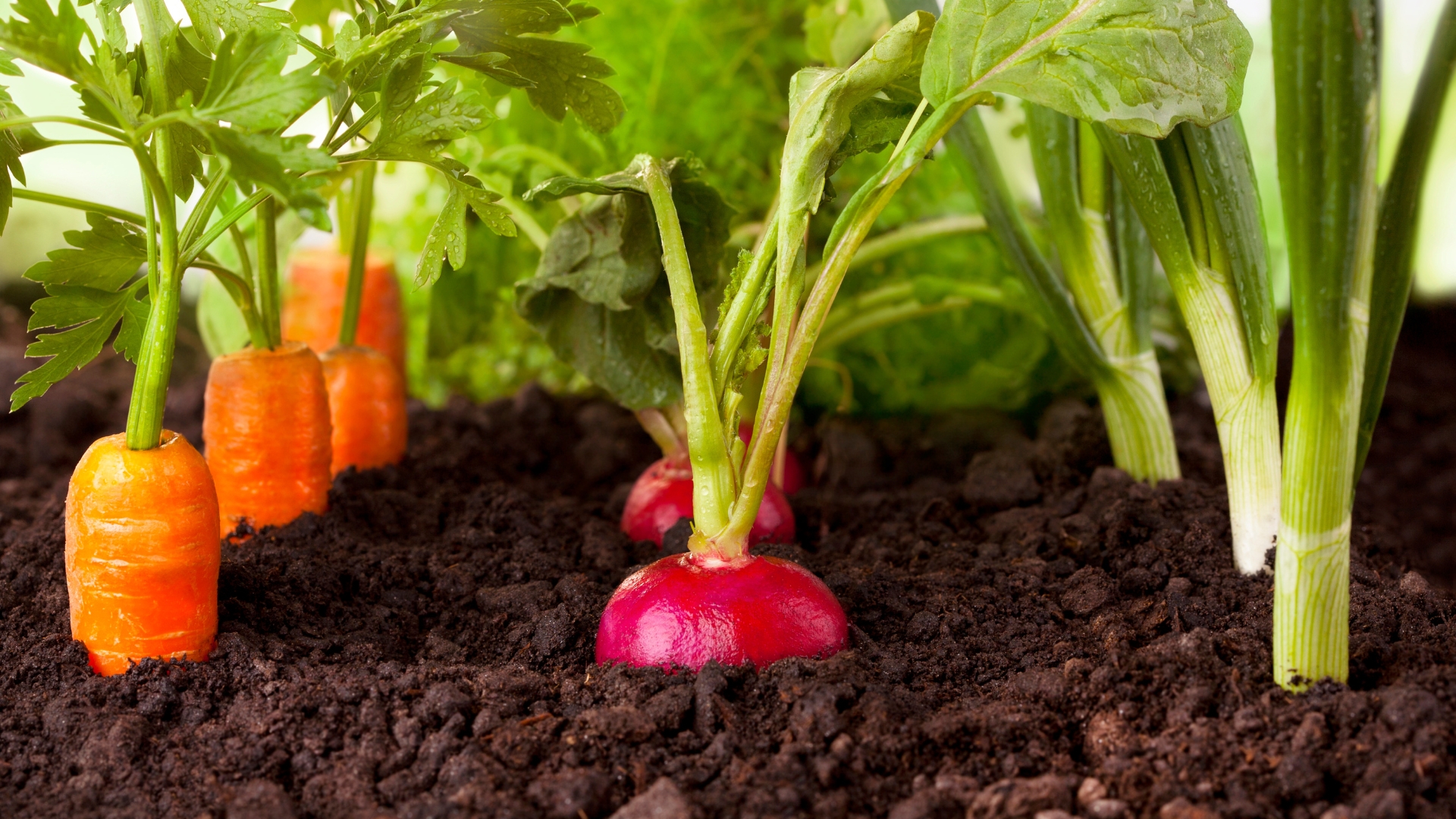
Unlock Early Harvests: Top Spring Vegetables to Plant Now
The garden calls long before the lazy days of summer arrive, yet a common misconception among budding gardeners is that planting must wait until the sweltering heat sets in. This couldn't be further from the truth! In reality, the spring season is a prime opportunity to kickstart your harvests and enjoy an abundance of fresh, homegrown produce weeks, even months, ahead of schedule. Imagine plucking crisp snap peas or vibrant radishes straight from your garden while your neighbors are still dreaming of summer tomatoes. This guide will help you understand precisely which cool-season crops thrive in the awakening earth, ensuring all the spring vegetables are planted at their optimal time for an incredibly rewarding gardening season.
There's an undeniable joy in the first harvest after a long winter. Spring gardens burst with vitality, offering up tender leafy greens, satisfying root vegetables, and fragrant herbs. By embracing early planting, you not only extend your growing season but also get a jumpstart on preserving delicious crops for the leaner months ahead. Don't let precious weeks of potential growth slip away; prepare to sow the seeds of success and transform your garden into a spring-time cornucopia.
Laying the Groundwork: Essential Planning for Spring Success
Before any seeds touch the soil, a bit of strategic planning is your best friend. A successful spring garden isn't just about what you plant, but when and where. Getting these foundational steps right will significantly boost your chances of a bountiful early harvest.
- Know Your Hardiness Zone and Last Frost Date: This is arguably the most critical piece of information for any gardener. Your USDA plant hardiness zone dictates which plants can survive your local climate, while your average last frost date tells you when it’s generally safe to plant outdoors without risk of frost damage. Planting certain vegetables too early can expose them to fatal frosts, while planting too late might mean they bolt (go to seed) before maturing due to rising temperatures.
- Monitor Soil Temperature: While the calendar provides a good estimate, a soil thermometer offers precise, real-time data. Many spring vegetables have a minimum soil temperature requirement for germination. For instance, peas prefer soil at least 45°F (7°C). Investing in a simple soil thermometer will give you more accurate results than just following a date on the calendar, though I've personally had plenty of success without one through careful observation of weather patterns. For those aiming for the absolute best garden possible, a thermometer is a worthwhile tool.
- Cultivate Healthy Soil: Regardless of what you're planting, well-drained soil rich in organic matter is non-negotiable. Healthy soil provides the nutrients and structure necessary for strong root development and robust plant growth. Amend your garden beds with compost or other organic materials well before planting.
- Read Your Seed Packets: Each seed packet is a miniature instruction manual. It contains vital information regarding planting depth, spacing, germination time, days to maturity, and specific growing conditions. Pay close attention to these details to optimize your planting strategy.
For more in-depth guidance on garden preparation and timing, consider exploring resources like Grow Early: The Ultimate Guide to Planting Spring Vegetables.
Top Picks for Your Early Spring Garden
Now that your planning is complete, let's dive into the stars of the early spring show – the vegetables that thrive in cooler temperatures and promise delicious harvests long before the summer heat settles in. It's time to ensure all the spring vegetables are planted for maximum enjoyment.
Peas: The Sweet Reward of Early Planting
Peas are often the first vegetable many gardeners sow in spring, and for good reason! They are incredibly rewarding, simple to grow, and their fresh, sweet flavor is unparalleled compared to store-bought varieties. Peas absolutely detest heat, making early spring the perfect window for planting them. Aim to plant your pea seeds about 4-6 weeks before your average last frost date, or even earlier if you're experiencing an unusually warm spring.
You have a wonderful selection of peas to choose from:
- Snap Peas: My personal favorite! These are eaten pod and all, offering a delightful crunch. They rarely make it into the house because they're so irresistible straight from the vine.
- Snow Peas: Flat, edible pods typically harvested before the peas inside fully develop. Great for stir-fries.
- Shelling Peas (Garden Peas): Grown specifically for the peas inside the pod, which are shelled before eating.
Remember, peas are vining plants and require support. Plan for a trellis, stakes, or netting for them to climb. Once the shoots are 4-6 inches tall, gently "train" them onto their support by twisting their tendrils around it. This small effort ensures a healthier plant and an easier harvest.
Radishes: Speedy Satisfaction for New Gardeners
If instant gratification had a gardening equivalent, it would be radishes. These peppy root vegetables are incredibly frost-hardy and grow at an astonishing pace, often ready for harvest in as little as 30 days! This makes them an ideal choice for new gardeners seeking a quick win and seasoned gardeners looking to fill early season gaps.
You can plant radishes around the same time as peas, about 6 weeks before your last frost date. To enjoy a continuous supply, practice successive sowing: plant a small batch of seeds every 1-2 weeks. This ensures you'll always have fresh radishes to pull, rather than a single overwhelming harvest.
Leafy Greens: The Cut-and-Come-Again Champions
Spinach, lettuce, kale, and Swiss chard are absolute must-haves for the spring garden. These leafy greens thrive in cooler temperatures and can often tolerate light frosts, especially when young. Many varieties can be harvested using the "cut-and-come-again" method, where you snip off outer leaves, allowing the plant to continue producing new growth from the center. This extends your harvest significantly.
- Spinach: A nutritional powerhouse that bolts quickly in heat. Get your plantings in early!
- Lettuce: From crisp romaine to tender butterhead, there's a lettuce for every taste. Direct sow various types for a diverse salad bowl.
- Kale & Swiss Chard: These hardy greens can withstand even colder temperatures than lettuce or spinach and will often produce well into early summer, sometimes even through a mild winter.
Root Vegetables: Carrots, Beets, and Turnips
These subterranean treasures love the cool soil of early spring. While they take a bit longer to mature than radishes, their sweet, earthy flavors are worth the wait.
- Carrots: Prefer loose, stone-free soil for straight, well-formed roots. Sow seeds directly in the garden as soon as the soil is workable.
- Beets: Both the roots and the greens are edible and delicious. Plant seeds directly and thin seedlings to allow roots to develop.
- Turnips: Similar to beets, both the roots and greens can be harvested. They are relatively quick-growing and a good choice for early spring.
Beyond the Basics: More Spring Delights
Don't stop at the classics! Many other vegetables and herbs flourish when planted in spring. To truly maximize your garden, ensuring all the spring vegetables are planted, consider these additions:
- Broccoli and Cabbage: These brassicas benefit immensely from a cool spring start. While they take longer to mature, planting them early allows them to form heads before the summer heat encourages bolting. Start these indoors and transplant them once the danger of hard frost has passed.
- Onion Sets and Garlic: While garlic is typically planted in fall, onion sets (small, immature onions) can be planted in early spring for a summer harvest of full-sized bulbs or green onions.
- Potatoes: "Seed potatoes" can be planted 2-4 weeks before your last frost date. They are surprisingly resilient and will reward you with fresh, earthy tubers.
- Herbs: Many herbs, like cilantro, dill, and parsley, prefer cooler weather and will bolt (go to seed) quickly in hot conditions. Plant them in early spring for abundant harvests of fresh foliage.
Maximizing Your Spring Bounty: Practical Tips for a Lush Garden
Getting your spring vegetables in the ground early is fantastic, but a few additional practices can elevate your gardening game and ensure the most productive season possible.
- Succession Planting is Key: As mentioned with radishes and leafy greens, planting small batches of seeds every 1-2 weeks ensures a continuous harvest rather than a glut of produce all at once. This is particularly useful for fast-growing annuals.
- Utilize Row Covers and Cloches: For an extra layer of protection against unexpected late frosts or to push your planting dates even earlier, consider using floating row covers or homemade cloches. These simple structures can raise the soil temperature slightly and shield young plants from cold snaps.
- Prepare for Preservation: The beauty of an early spring harvest isn't just immediate enjoyment; it's also the opportunity to preserve food for later. Get your dehydrator, freezer bags, or fermenting crocks ready. Freezing peas, dehydrating kale chips, or making fermented radishes are excellent ways to enjoy the bounty of spring all year long. This forward-thinking approach ensures you truly make the most of your garden.
- Don't Be Afraid to Experiment: While we've covered many popular options, there are countless cool-season crops to explore. Try new varieties or less common vegetables each year to discover new favorites.
For even more strategies on making the most of your garden this season, don't miss our comprehensive guide: Don't Wait: Maximize Your Spring Garden with Early Planting.
Conclusion: Embrace the Early Bird Advantage
Dispelling the myth that gardening only begins in summer opens up a world of possibilities for the enthusiastic gardener. By understanding your climate, preparing your soil, and strategically planting cool-season crops, you can unlock early harvests that bring immense satisfaction and fresh flavors to your table. From the sweet crunch of homegrown peas to the crisp bite of radishes, and the endless variety of leafy greens, the spring garden is a testament to nature's earliest awakening. So, check your frost dates, grab your seeds, and get ready to ensure all the spring vegetables are planted for a season of unparalleled growth and delicious rewards. Your palate (and your freezer) will thank you!
